
OUR BLOG
SZENTENDRE – SERBIAN BEACON ON THE DANUBE
The town that was once one of the key Serbian locations in Hungary along with Sremski Karlovci and Buda was settled in the Great Migration of 1690 and still preserves many traces of its rich past. This town near Budapest used to be a focal point of culture, education, national spirit, and more – it was the point where Serbs encountered the spirit, culture, and tradition of Central Europe
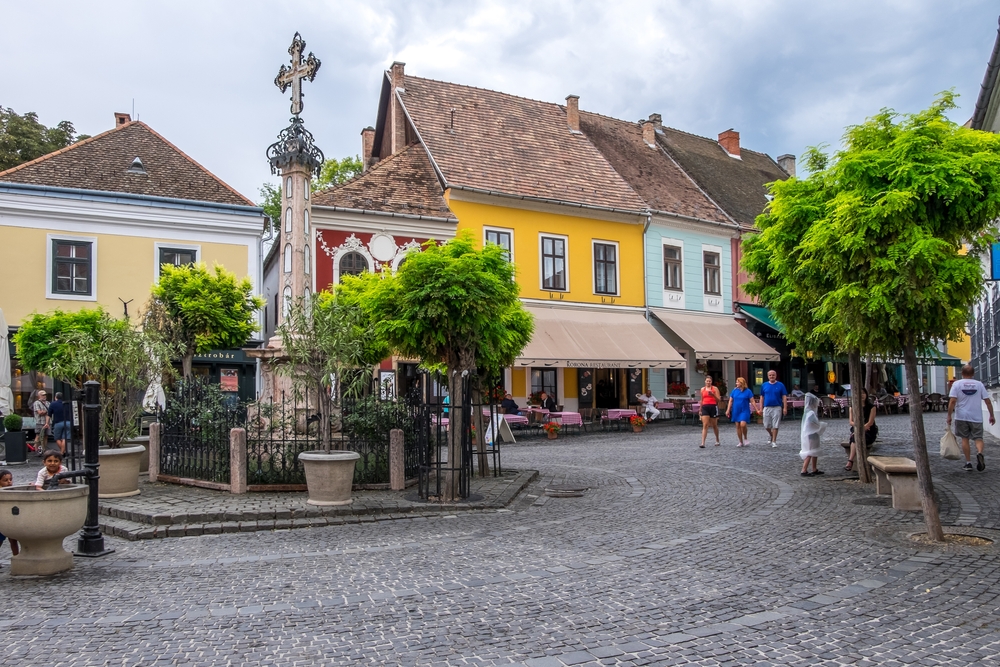
A modest, barely noticeable, yet tall and elegant, marble Ionic pillar topped with an iron cross, located at the Danube promenade in Szentendre, surrounded by the cheerful bustle of restaurant gardens, is one of the most important monuments of the Serbian people outside of Serbia. It marks the place where the relics of Holy Prince Lazar Hrebeljanović were laid on Hungarian soil in the autumn of 1690, when the Serbian people found their new home during the Great Migration. The relics of Holy Prince Martyr Lazar were not only a memory of the abandoned homeland but also a living testament to former national sovereignty.
The relics of Prince Lazar were the starting point for the new life of Serbs in exile in the early 18th century, and Szentendre became the unofficial capital of Serbs in Hungary. On the site where the cross stands today, there once stood a wooden church. Nearby was the first seat of Patriarch Čarnojević. In the decades that followed, the little town on Upper Danube, north of Buda, was to become the new home for many exiles from Old Serbia and the biggest focal point of Serbian art, education, and national spirit. The importance of Szentendre for Serbian history and culture is even greater – it was in this town on the Danube that the Serbian people encountered Central European traditions and institutions. That is why academician Dinko Davidov, one of the foremost experts on Serbian endeavours after 1690 claims that this town is the ‘stage and place from which the first Serbian Europeanised urban life came to be’.
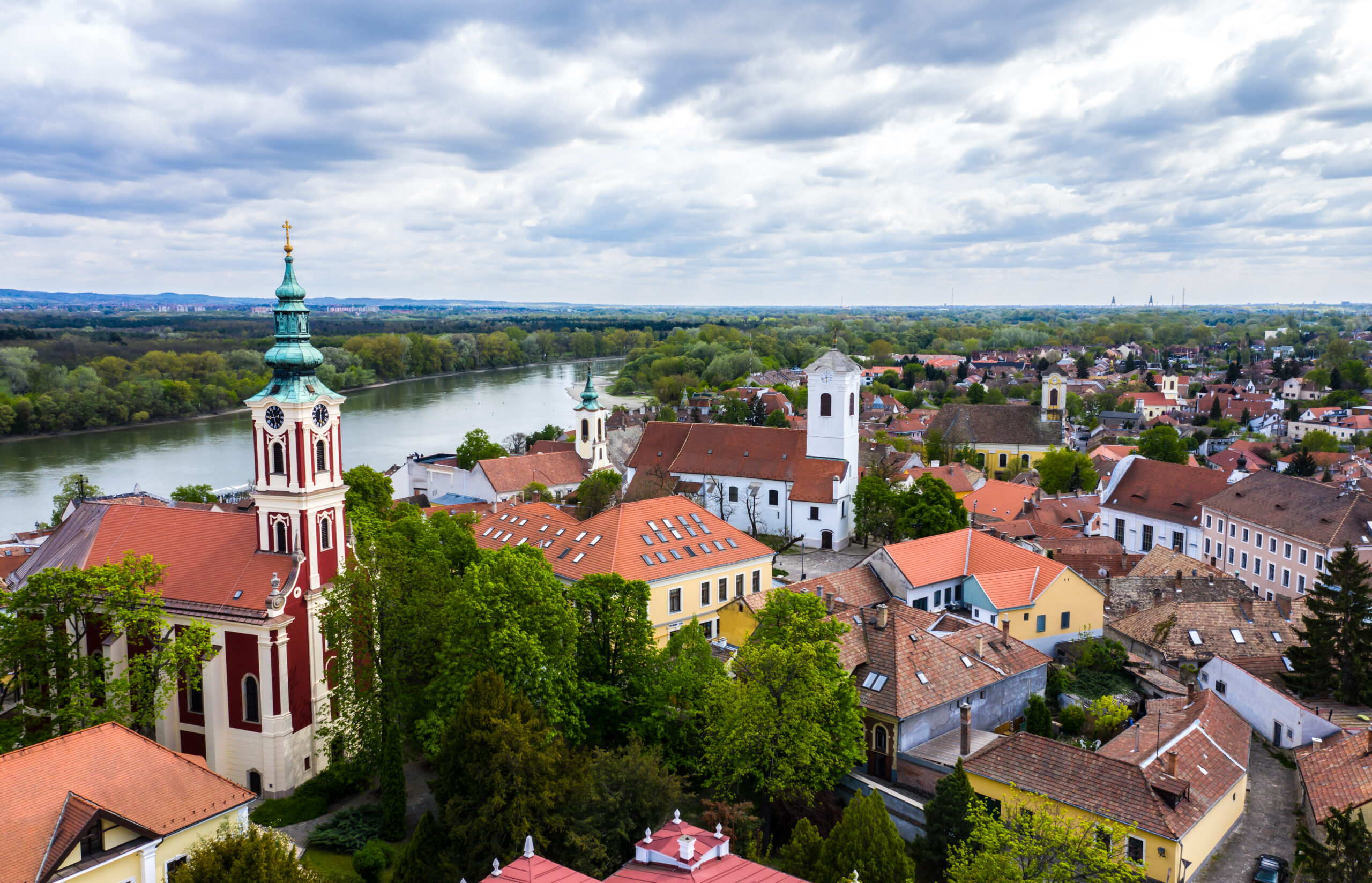
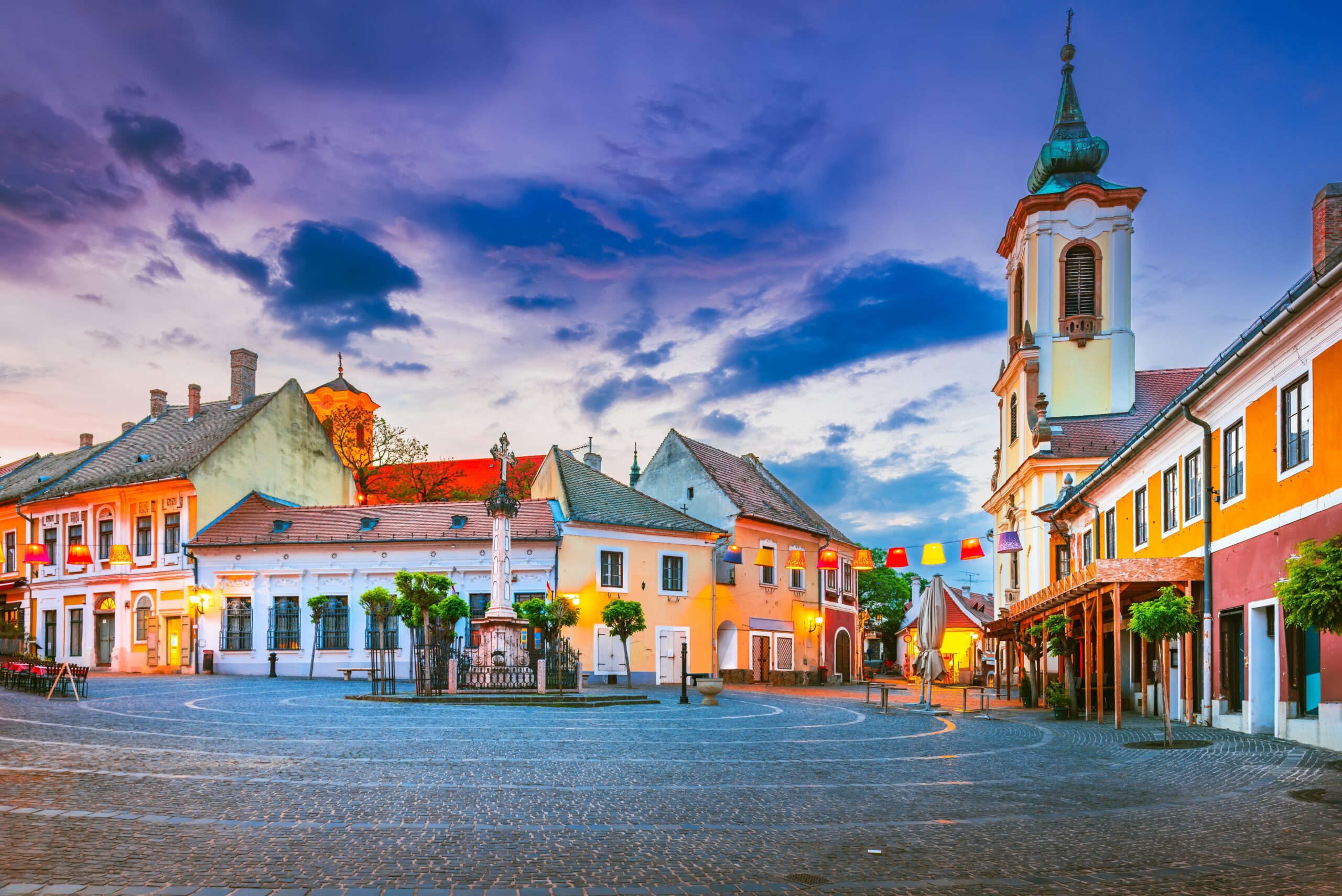
Today, Szentendre seems frozen in time – it is a place known for picturesque streets, colourful facades, marzipan delicacies, geraniums, restaurant gardens and guest rooms, but for the Serbian people it is much more than a tourist destination or a spot for daytrips. It is a place of pilgrimage and remembrance of the shining two centuries of progress and development of our people during the darkest times of the Ottoman occupation of Serbia. The importance of this town, just twenty kilometres from Budapest, as a Serbian stronghold in Hungary is still evidenced by the many churches, monuments, cemeteries, iconostases, and museum artefacts. Most of these material traces from the past come from the pinnacle of Serbian baroque art and hold the most important positions in the anthologies of cultural heritage. These are the reasons why Szentendre has a unique place in Serbian spiritual culture.
The many layers and dimensions that accompany the Great Migration of Serbs in 1690, one of the key events in our history, were perhaps best described by art historian and writer Milan Kašanin: ‘In finding our way onto the global stage, we did not travel from Studenica to Hilandar and from Hilandar to Szentendre in vain, nor did we just sow our bones along the way. We also sowed ideas and beauty.’
Szentendre is a town crowned by churches, some of which are among the best examples of Serbian art following the Great Migration. Devout Serbs gathered in as many as seven churches, four of which remain Orthodox to this day.
You can read the full text in our Dipos Magazine.









 2018
2018