
OUR BLOG
H.E. Joseph Kalala Mulamba, Ambassador of DR Congo: From cooperation to strategic partnership
BILATERAL RELATIONSHIPS
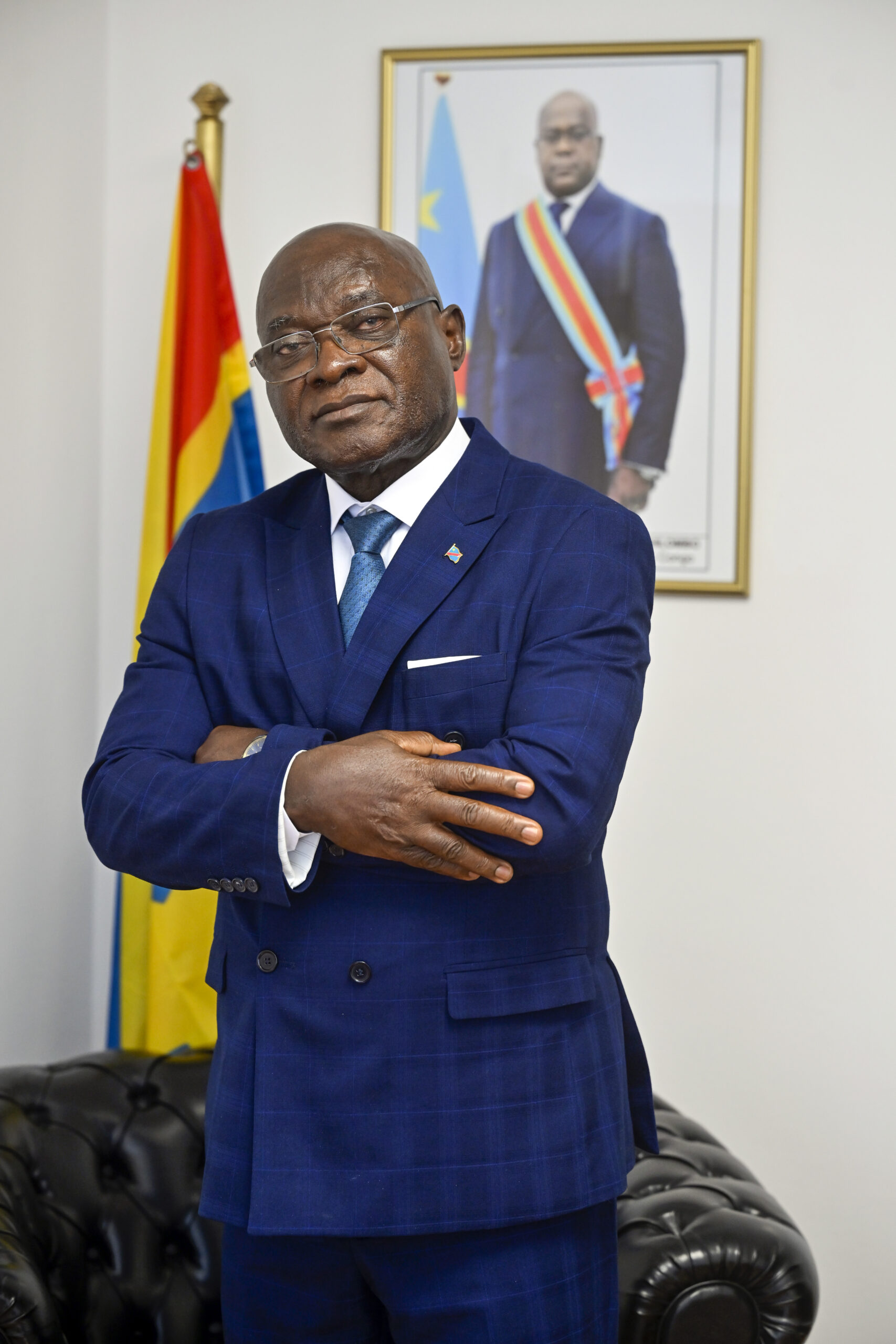
The quality of political dialogue between the Democratic Republic of the Congo and Serbia today is at a high level and is developing towards a strategic partnership, with a tendency for further intensification within the context of global geopolitical changes, says the Ambassador of DR Congo to Belgrade, H.E. Joseph Kalala Mulamba, in the interview for Dipos Magazine.
‘In that sense, priority areas for future development are security and stability, seeing that armed conflicts are hindering investments, access to mineral resources, and economic integration. The president of DR Congo, Félix Antoine Tshisekedi Tshilombo pointed out himself that the ‘securing of national territory’ is one of the key priorities, together with the continuation of peace processes.
From a historical perspective, both Serbia and DR Congo have gone through a struggle for independence and sovereignty. How can this shared historical heritage serve as the basis for deeper mutual understanding and cooperation?
Shared historical heritage can serve as the foundation for the deepening of mutual understanding and improving cooperation, especially by intensifying political and diplomatic dialogue. This can be reflected in the regular organisation of political consultations and establishing mechanisms of bilateral coordination.
Also, it can be further valorised through the sharing of experiences in areas such as conflict management, peacekeeping, and post-conflict reconstruction. Cooperation can also be expressed through cultural and educational programmes that shed light on the historical pathways of both peoples. Such initiatives can bring the two countries closer together and strengthen ties between their peoples. The purpose of all of these activities is the reinforcing of the foundations of a deeper mutual understanding and encouraging the development of a sustainable and mutually beneficial bilateral cooperation.
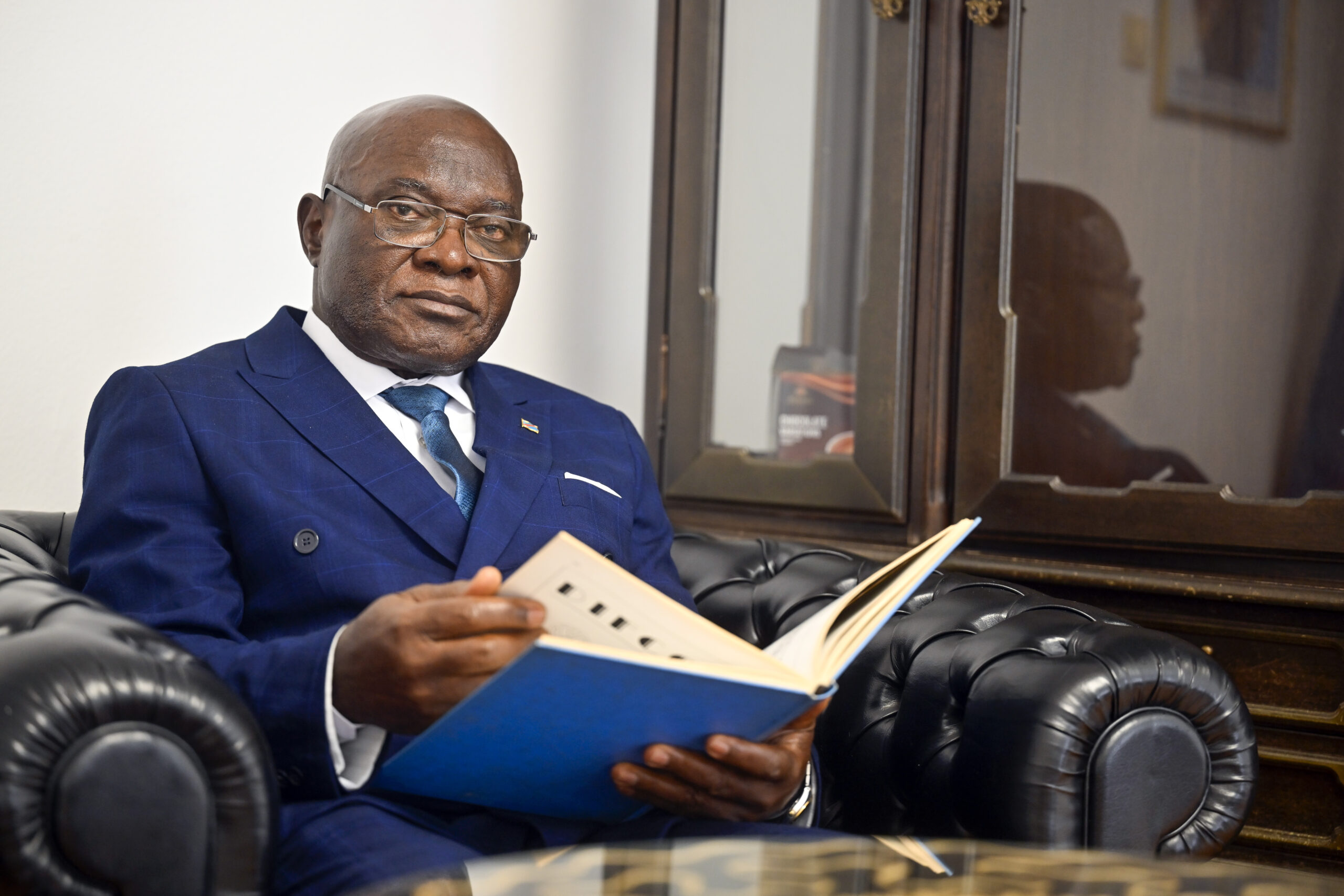
When it comes to investment and economy, Africa today is one of the most dynamic regions in the world. In which sectors do you see the greatest opportunities for economic partnership between Serbia and DR Congo?
The greatest opportunities for economic partnership can be found in the fields of agriculture and food industry, road and residential infrastructure, hydropower and renewable energy sources (solar, wind energy, green hydrogen), mining and mining industry, tourism, and in different forms of vocational education and training.
Cultural and educational cooperation often have a longer-lasting impact than formal political frameworks. Are there any initiatives that could contribute to a stronger cultural exchange of artists and experts between our two countries?
Certainly. Cultural and educational support are one of the most sustainable ways of bringing people closer together. Outside of formal political frameworks, meetings of artists, the academic community, and cultural professionals create strong human connections and encourage a better mutual understanding. Our two countries are characterised by cultural diversity. Both countries organise festivals, cultural events, and national and international ballet performances. They also hold cultural weeks or seasons in cooperation with partners.
Culture has a unique power to connect people and build permanent relations. DR Congo and Serbia have a rich and complementary cultural potential. By encouraging exchange between artists, students, and cultural professionals, our two countries can further strengthen their partnership and contribute to intercultural dialogue, in spite of language barriers.
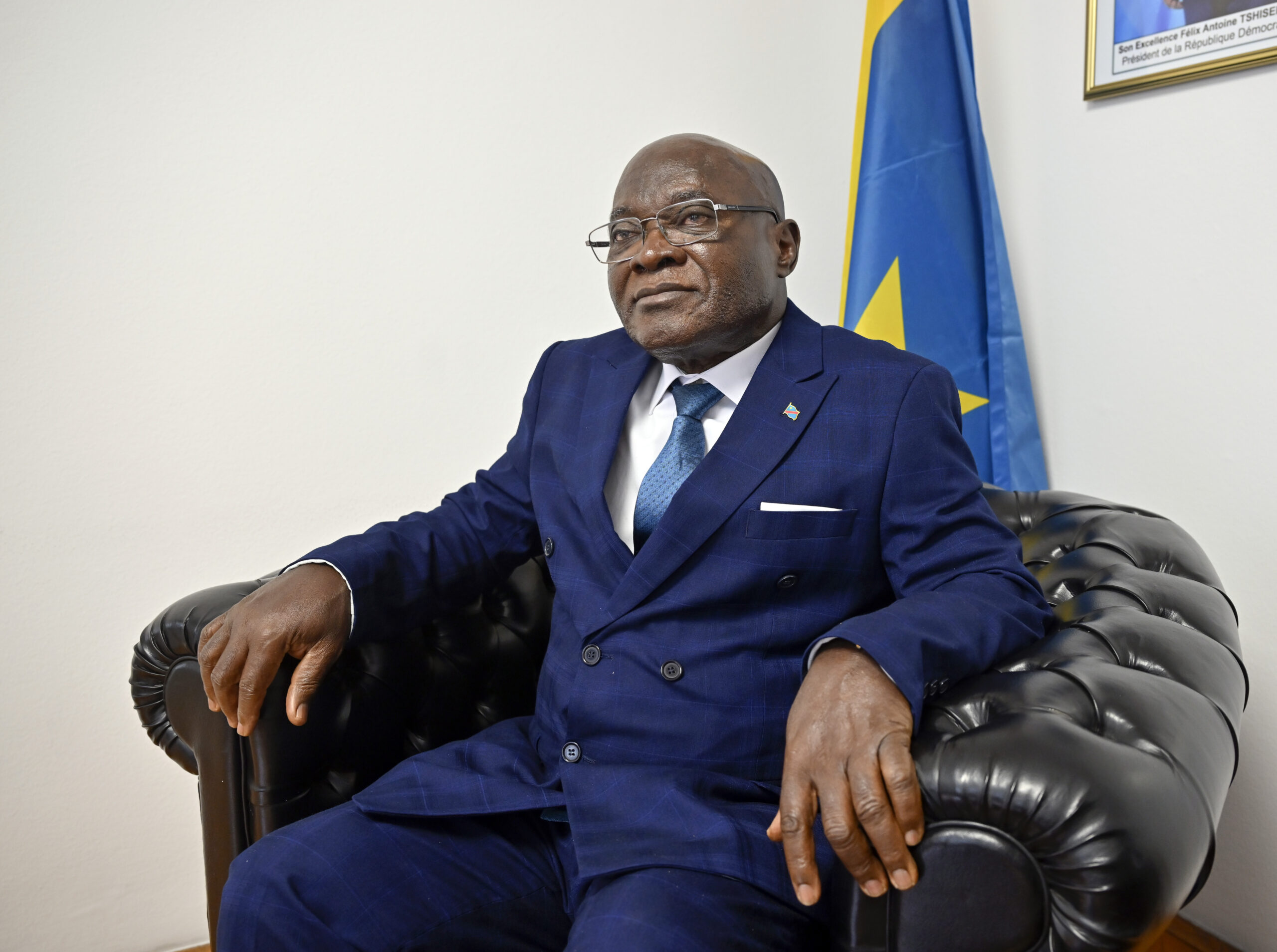
For decades, the Embassy of DR Congo in Belgrade has been using real estate managed by Dipos. How would you assess the importance of this cooperation for the operation of your diplomatic mission?
Seeing that the diplomatic mission of DR Congo does not have its own infrastructure, using Dipos’s premises allows the embassy to function smoothly. This cooperation goes beyond the administrative framework and represents a living example of how diplomacy can build lasting and sincere ties between countries. I believe that this cooperation will continue to develop, opening up new opportunities and further solidifying the relations between our two countries.
The complete text is available in our Dipos Magazine.









 2018
2018