
OUR BLOG
Heroines of Serbian sports: Symbol of Strength and Pride of the Nation
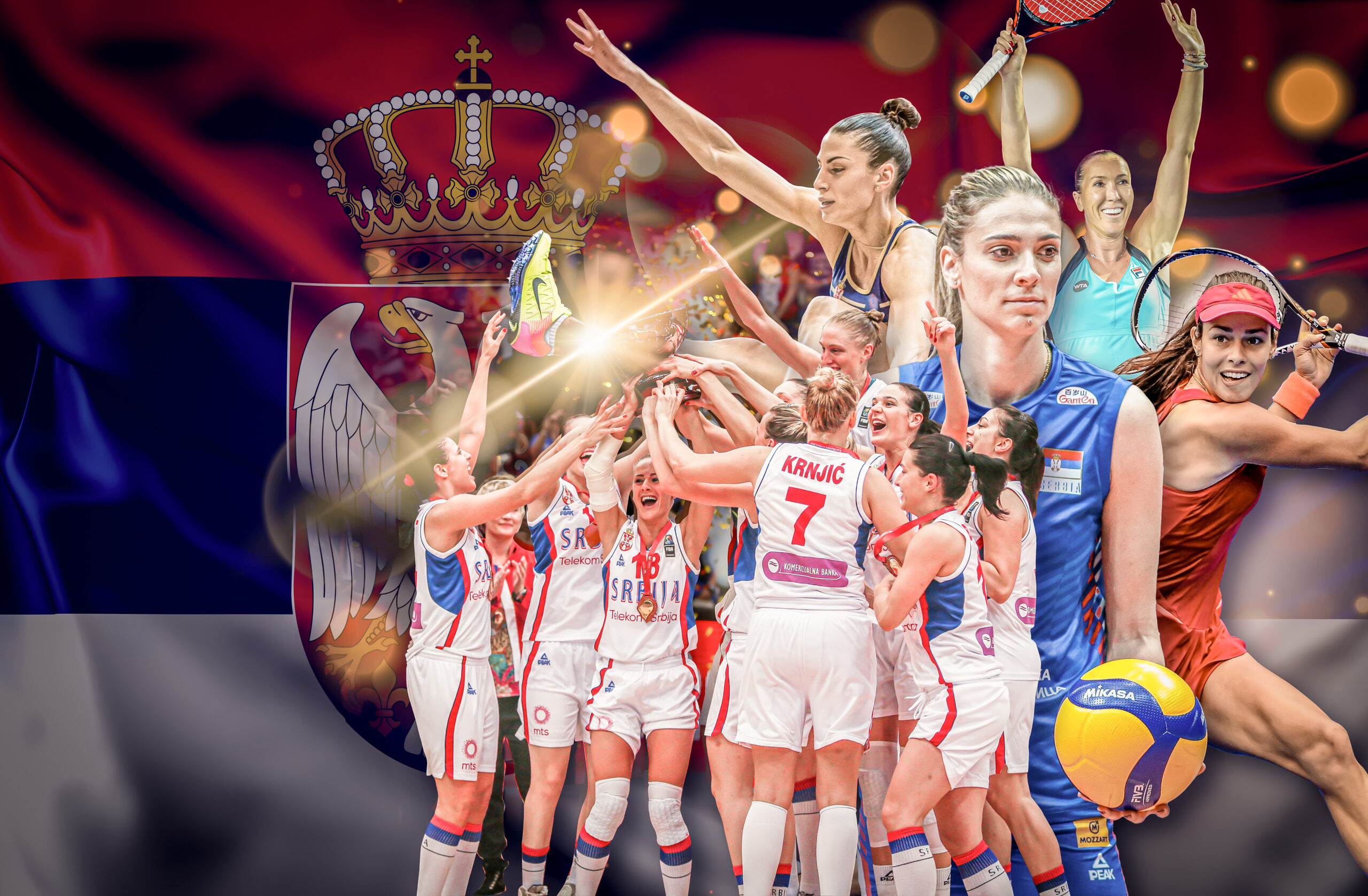
Women’s sports have long been in the shadow of the results of male athletes, but the ladies representing Serbia have found ways to show the world who they are and what they are truly like. Quietly and without fanfare, little by little, women athletes have become genuine national heroes. They embody all qualities of archetypal Serbian women: quiet yet courageous, loyal and reliable, powerful and modest. Not only that, they are the strongest and most unwavering when it matters most
In a world dominated by stories of men’s records, transfers worth millions, and packed stadiums, Serbia has found its true heroes and role models in a place few expected – among women athletes. The strength of these remarkable women lies not only in the medals won, but in their persistence to break through in spite of the wall of silence, being ‘in the background’, and lack of support.
Today, Serbian female athletes are the best that the country has to offer to the world of sports: talent, discipline, and persistence. They are the embodiment of the archetypical Serbian woman: quiet yet courageous, loyal and reliable, powerful and modest. Not only that, they are the strongest and most unwavering when it matters most. According to many, in addition to their enormous talent, our women athletes are considered to be among the most beautiful women in global sports.
Today, when it would be impossible to list all the trophies and medals won by female athletes, we must look back and remember those brave girls, who, in spite of all difficulties, were able to lay the path for later generations with their hard work and talent. Success did not come easily or overnight.
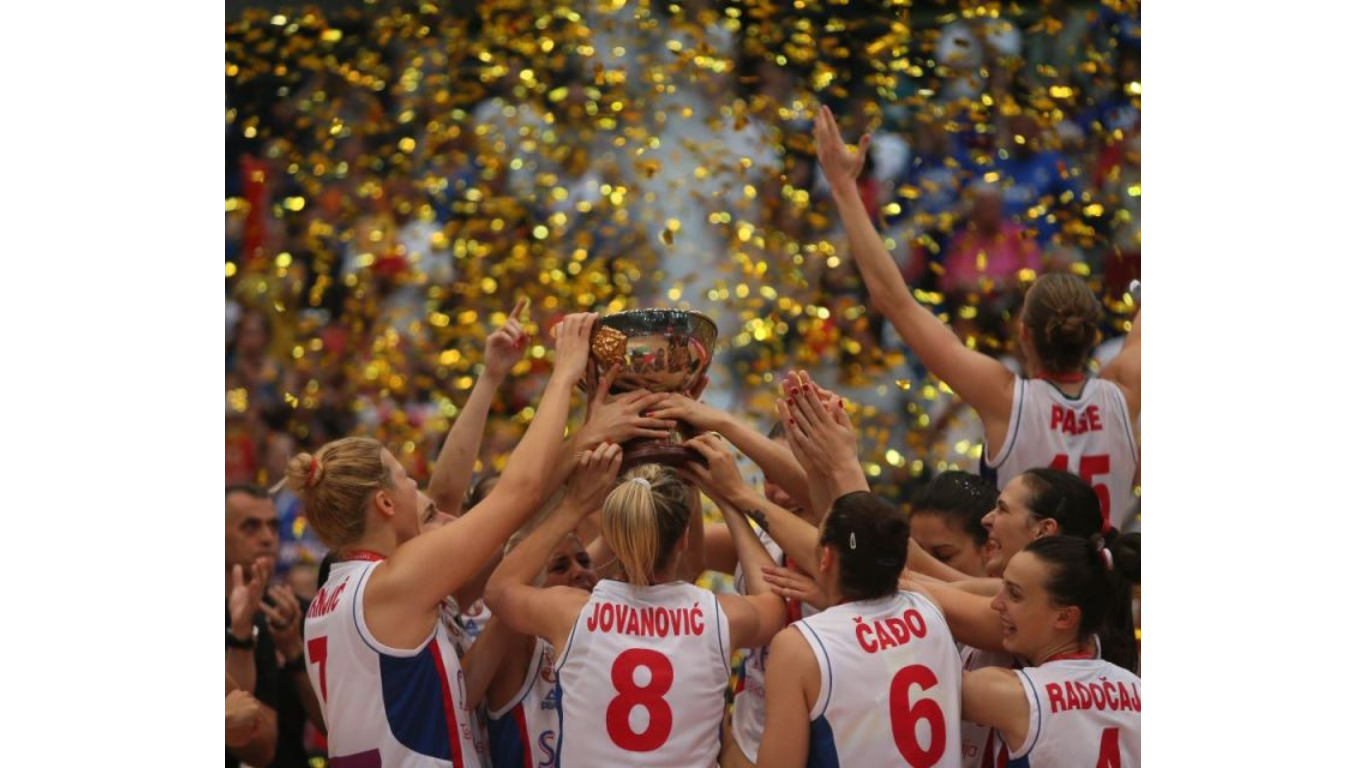
The celebration of the golden Serbian women’s sports basketball players
A long time ago, when balls first started rolling on the freshly mowed meadows of urban peripheries, few could have imagined that women from this region would write some of the most beautiful pages in the history of world sports. It was then that quick-footed Vera Nikolić from from the town of Ćuprija entered the stage. This seventeen-year old shocked everyone at the European Championship in Budapest in 1966 where she became the youngest winner of the 800-metre race. Just two years later, in London, she managed to break the world record (2:00.5), which was a clear sign that dreams were starting to come true.
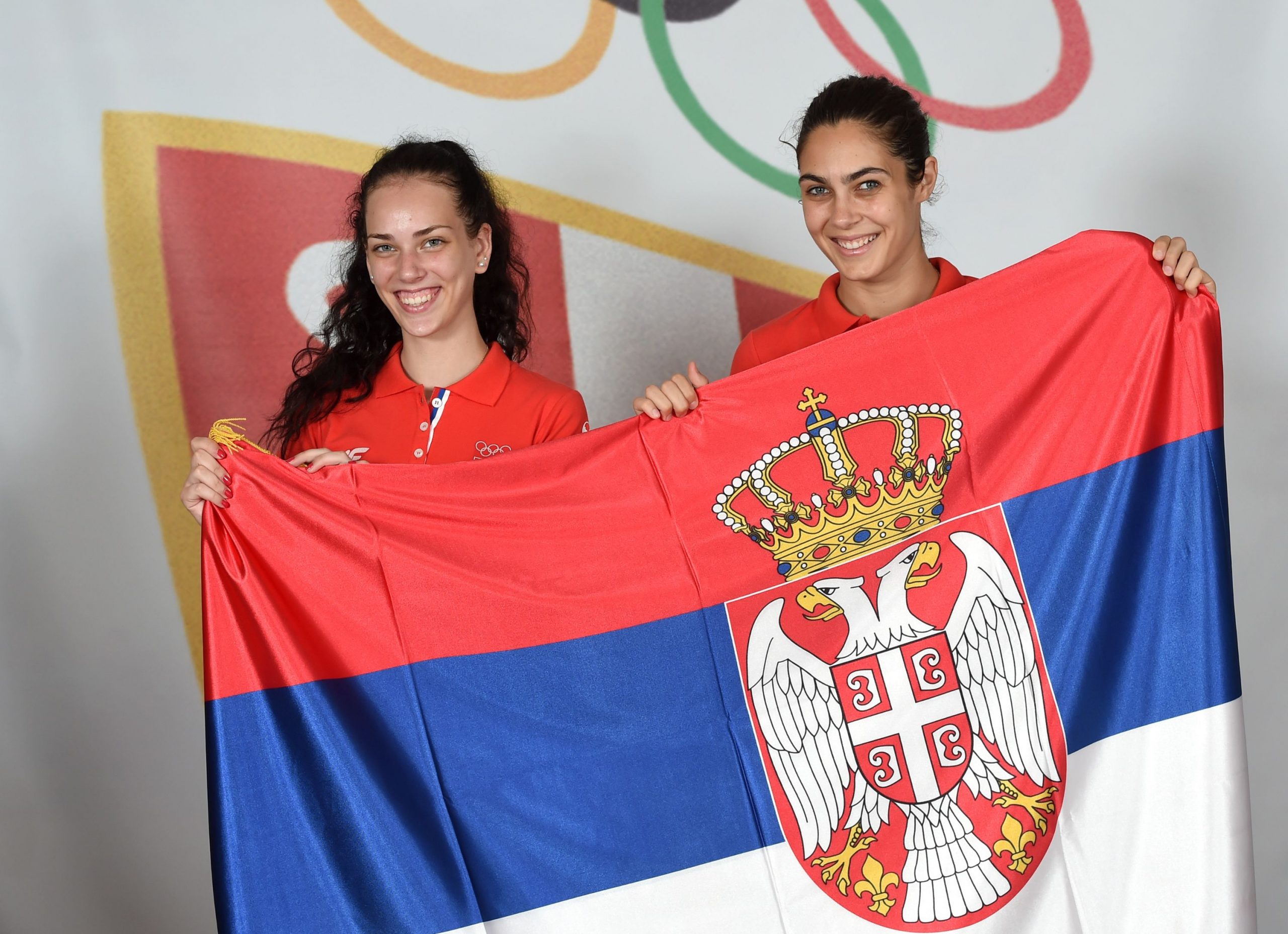
Achievements in Taekwondo by Tijana Bogdanović and Milica Mandić
Although usually considered a typically men’s sport, football was also popular among the ladies. The women’s football club ‘Sloga’ from Zemun was founded back in 1969 and is the oldest women’s sports club that still exists and is still successful. Volleyball became popular among young girls even sooner, and the Yugoslavia women’s national volleyball team won the bronze at the European Championship in 1951. Eight years later, women basketball players were fourth in the European Championship. Still, this was only the beginning, and the brightest medals were yet to come.
In the Crveni Krst neighbourhood of Belgrade, another legend was in the making – Svetlana Kitić. Celebrated as the best female handball player of all time, Kitić led her club, Radnički, to European titles in 1976, 1980, and 1984, while she won the Olympic silver with the Yugoslav national team in the Moscow Olympics and gold in the Los Angeles Olympics. The goals she scored were not just a matter of statistics – they served as a barrage of inspiration, proving that women were fit to command even the hardest sports arenas.
While the world of the late 1980s was reshaping, the ubiquitous tension was interrupted by Jasna Šekarić at the 1988 Seoul Olympics, becoming the first Serbian woman with an Olympic gold medal. Her steady hands, calm eyes, and steel nerves brought her the bronze as well, along with the honorary position in history, as a symbol of perseverance and dignity, an image she would continue to have in the coming millennium. The same Olympics were marked by the remarkable feat of the women’s national team, lead by Anđelija Arbutina, which surprisingly won the bronze – symbolically confirming that women’s team sports also had the strength to write successful stories. Of course, any talk about the golden women’s sports of Serbia would be incomplete without at least mentioning tennis player Monika Seleš, karate champion Tanja Petrović, Sonja Vasić, née Petrović, one of the best female basketball players we ever had, or Angelina Topić, who is yet to have her final say in the world of sports.
The complete article is available in our DIPOS Magazine.









 2018
2018