
OUR BLOG
Historian Stanislav Sretenović, PhD: Milenko Vesnić – Architect of an Alliance
BILATERAL RELATIONSHIPS
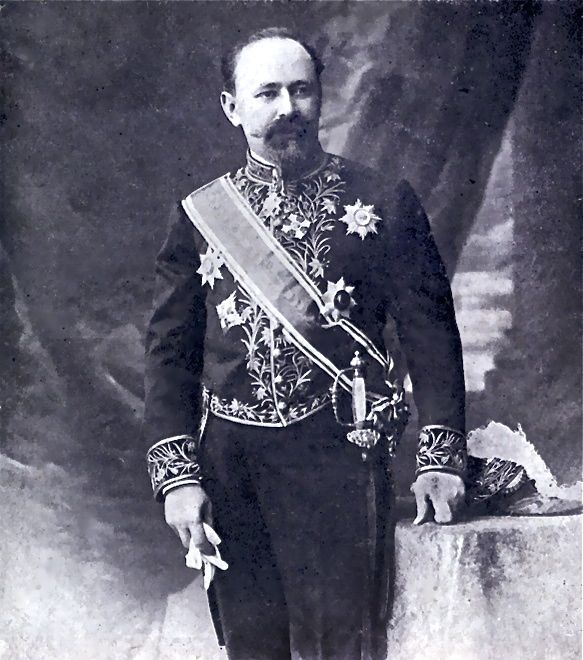
The relations between Serbia and France in the late 19 th and early 20 th centuries were built owing to the dedicated efforts of Serbian lawyer, diplomat, politician, and professor who greatly contributed to bringing the two states closer together. Historian Stanislav Sretenović, PhD, explains the currents of Serbo-French relations for Dipos Magazine
The Monument of Gratitude to France at Kalemegdan has for almost a whole century been one of the most recognisable symbols of Serbian-French relations. Erected in gratitude for the alliance and assistance in World War I, this monument has over time transcended the limits of historical remembrance and became the symbol of a lasting closeness between the two nations. This majestic work of art, funded by the voluntary contributions of Serbian citizens, still acts as a reminder that Serbia and France had built their relations gradually, through different historical stages, achieving the strength of a strategically important alliance in key times.
In addition to the monument at Kalemegdan, the Serbian-French relations are also symbolised by an extraordinary individual, who devoted all of his creative energy to the acquaintance, familiarising, and cooperation between Serbia and France. This is Milenko Vesnić (1863-1921), lawyer, diplomat, politician, and professor, who in his time greatly contributed to bringing the two states closer together.
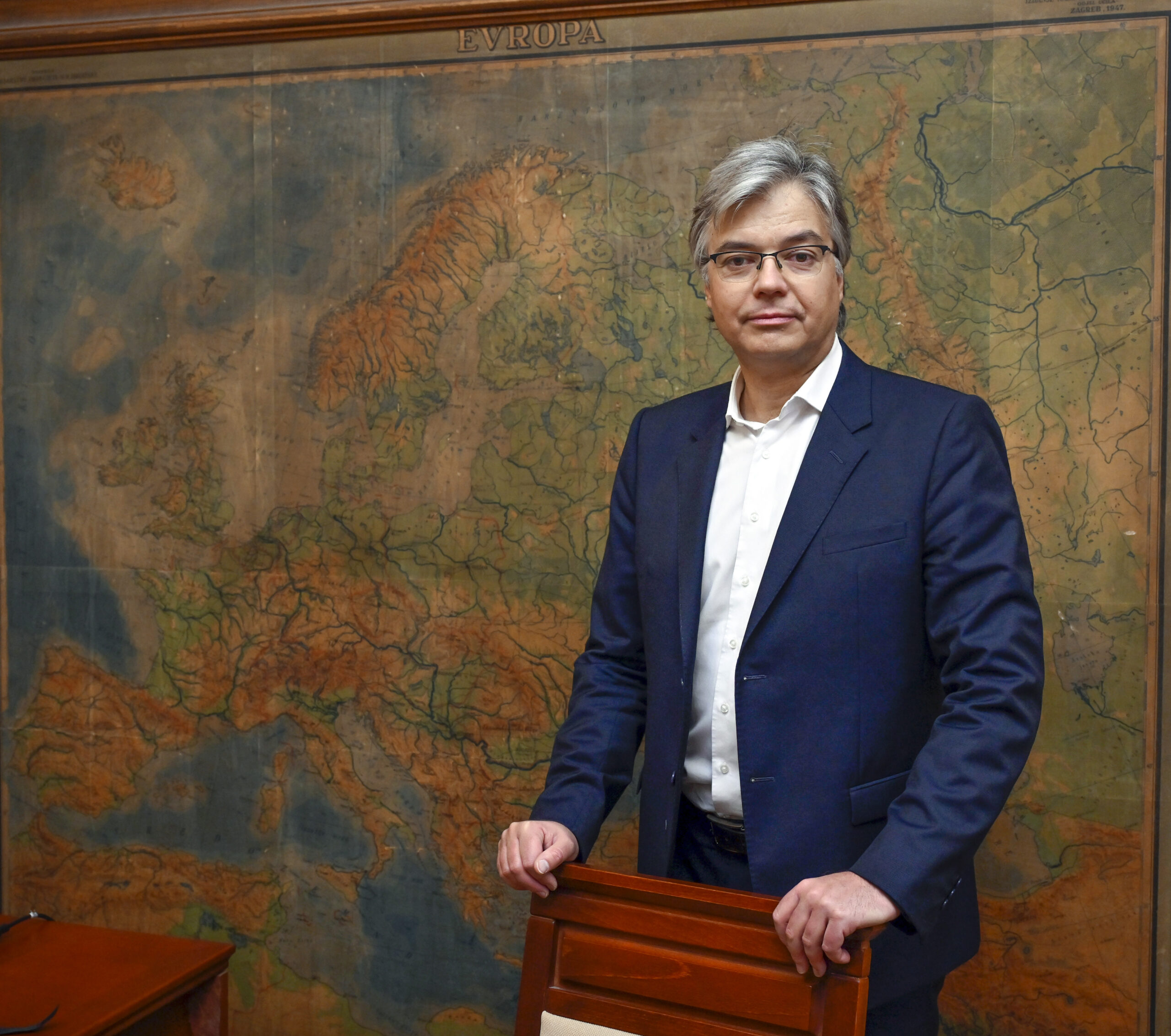
The personality of Milenko Vesnić and the history of Serbian-French relations are explained for Dipos Magazine by Stanislav Sretenović, PhD, research fellow at the Institute of Contemporary History, lecturer at the Faculty of Political Sciences, and renowned expert on the history of relations between Serbia and France.
‘Vesnić carefully followed European relations from Paris where he lived on several occasions, as minister plenipotentiary, or ‘foreign emissary’, as the position was called then, between 1903 and 1921. His activities followed in the footsteps of Franco-Serbian diplomatic relations established in 1838 and 1839, when France opened its consulate in the autonomous Principality of Serbia, still under the supreme authority of the sultan at the time. These relations were never just bilateral or balanced. France was a major power that had to take into account the importance of the Ottoman Empire, Habsburg Monarchy, and the Russian Empire, and later also Italy and Germany, in southeast Europe, whereas Serbia was a small power fighting for its place in Balkan and European politics. Vesnić was a diplomat who was able to utilize these limitations. His ideas were based on a deep feeling for international law and justice. He understood that in international relations, small Serbia could not act as the major powers of the time. He therefore believed that international law was the only possible instrument to protect smaller countries’, says Sretenović about Milenko Vesnić.
Vesnić believed that, after Russia, France was the main pillar of Serbian foreign policy.
‘He was familiar with the entire French political and social elite, to which he persistently explained that the Francophile and Francophone Serbia was of the utmost interest for France in its eastern policy. He also talked with Catholic priests and Freemasons, realising that their influence in the Balkans was significant. Upon leaving Belgrade in 1921, French minister plenipotentiary Joseph de Fontenay submitted a report to his Ministry, stating: ‘Vesnić is a proven, trusted, loyal friend of France’. With his personality and activity, he contributed to the development and maintaining of ‘Serbophile’ sentiment in a part of the French public, among politicians, diplomats, parliamentarians, and participants in the Franco-Serbian economic and cultural relations’, Sretenović adds.
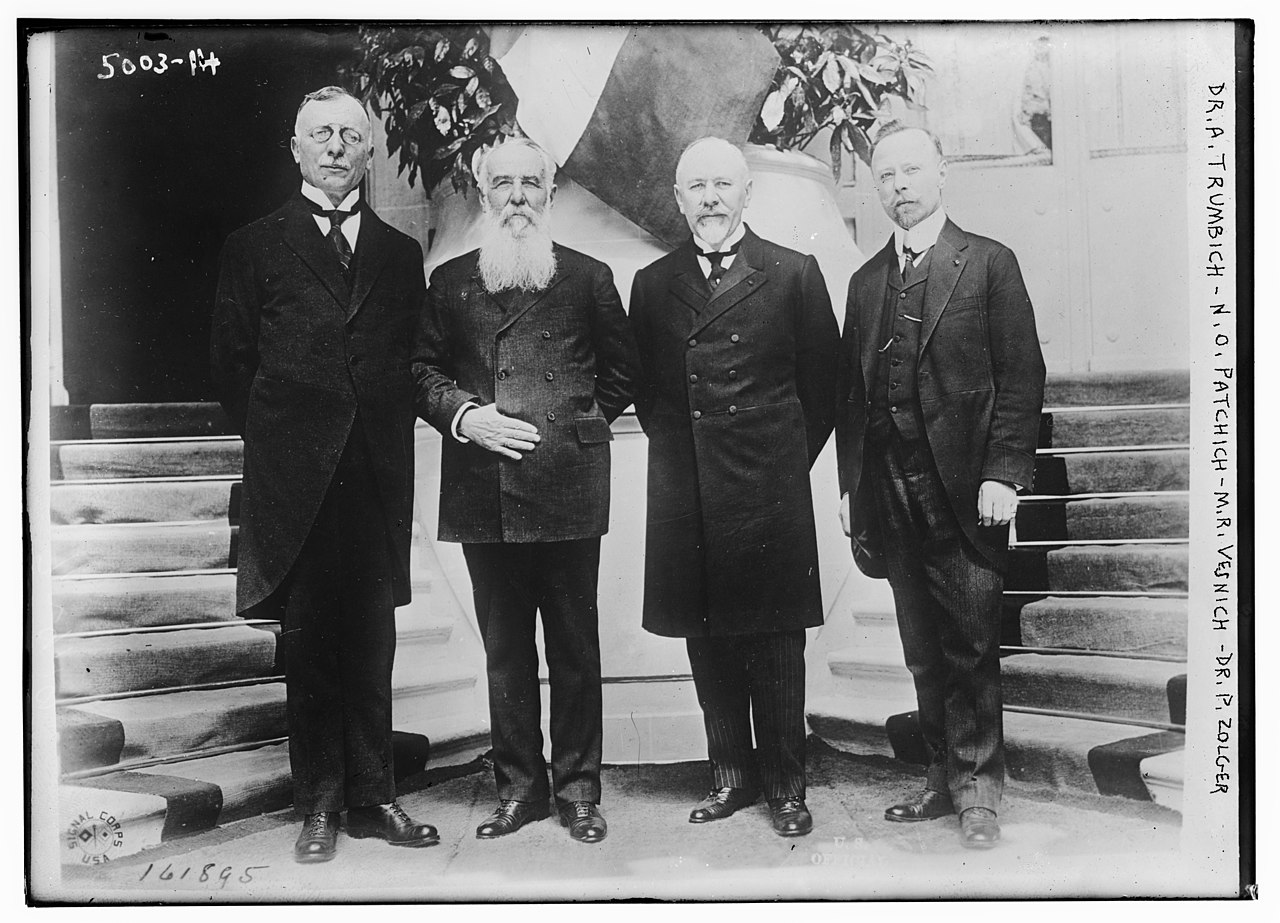
Having in mind all of what Vesnić did, which is why he was often singled out as the architect of the Serbian-French alliance, it would be interesting to learn more about the foundations that this distinguished diplomat built his influence on during his mission in Paris.
Sretenović says that Vesnić was a man of exceptional education, schooled in Serbia, Germany, France, and the United Kingdom, and that he was genuinely dedicated to his work.
‘His scholarly and journalistic texts and proficiency in several languages, especially English, which was rare at the time, had a major impact on his career as a European diplomat popular in missions in different international capitals. In addition to his sensitivity, refinement, and education, he also had a command of negotiation skills typical of the time. He skilfully used the existing rivalries between the great powers. He knew how to offer concessions in order to obtain gains on the other side. He successfully switched between different negotiation techniques in 1914, during Serbia’s negotiations with the Holy See, during multilateral negotiations at the Paris Peace Conference, or in bilateral negotiations between the newly formed Kingdom of Serbs, Croats, and Slovenes in 1920 with Italy in Rapallo’, explains Sretenović.
It is important to note that in building relations with a major power, such as France in Vesnić’s time, this skilful diplomat used tirelessly all of the channels at his disposal.
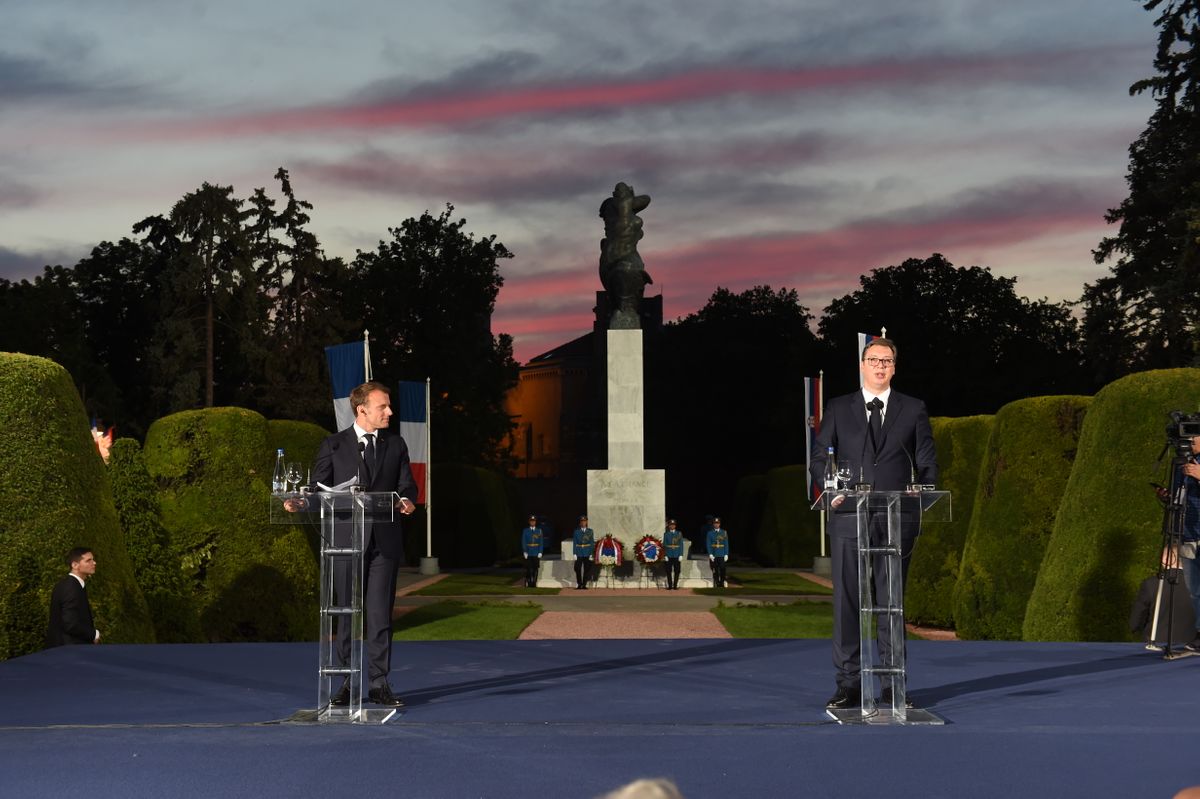
‘With the visit of presidents Emanuel Macron and Aleksandar Vučić to the Monument of Gratitude to France at Kalemegdan on 15 July 2019, symbolically, one day after the French national holiday and the 230th anniversary of the fall of the Bastille, Franco-Serbian remembrance regained its original, French, Serbian, and universal meaning that Milenko Vesnić himself strove for – the meaning of peace, freedom, development, and prosperity’, concludes Stanislav Sretenović.
You can read the complete text in our Dipos Magazine.









 2018
2018