
OUR BLOG
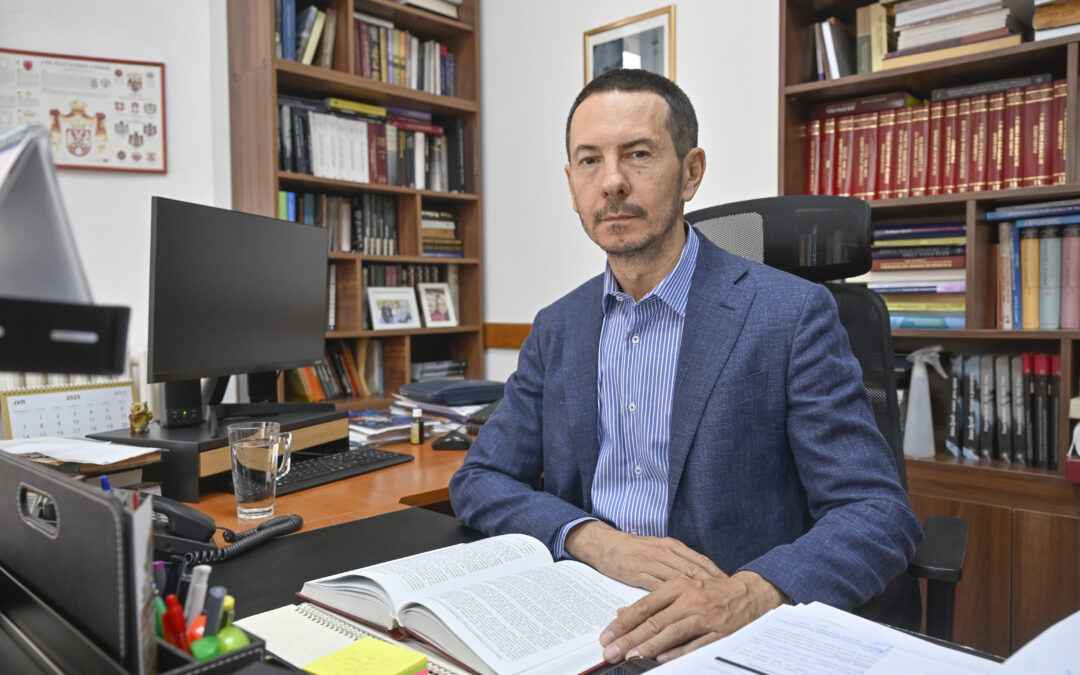
Professor Aleksandar Rastović, PhD: Čedomilj Mijatović is the Last Victorian of Serbia
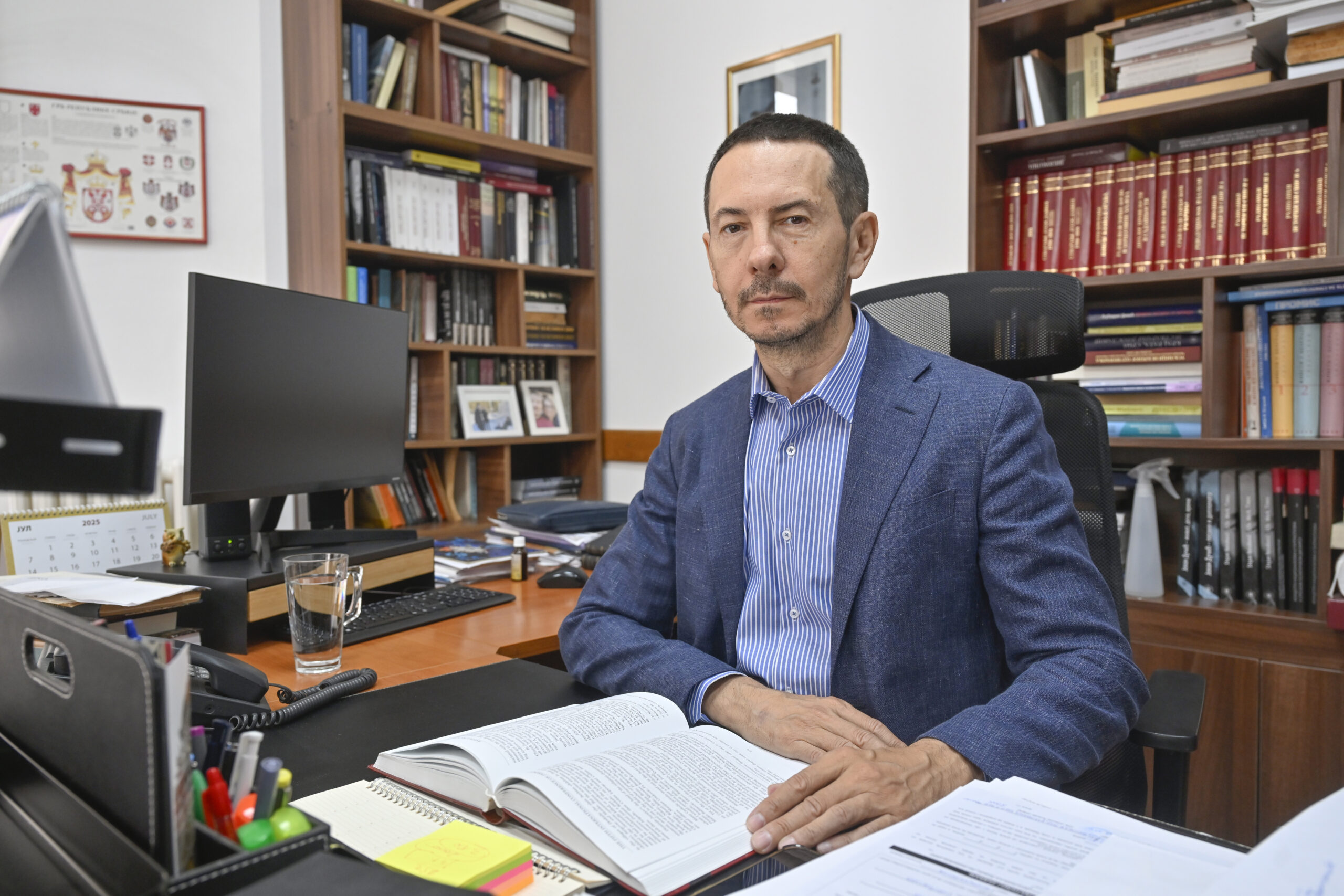
A versatile economist, politician, diplomat, historian, and publicist, he left a profound mark in many fields and acted as a bridge between the Serbian and British peoples. Professor Aleksandar Rastović, PhD, director of the Institute of History in Belgrade and expert for Serbian-British relations, highlights that studying mutual connections is not important only for the scientific community, but is also an important guide for Serbian politics and society in defining an appropriate stance towards the role and influence of a major imperial power such as the United Kingdom in the Balkans and this part of Europe
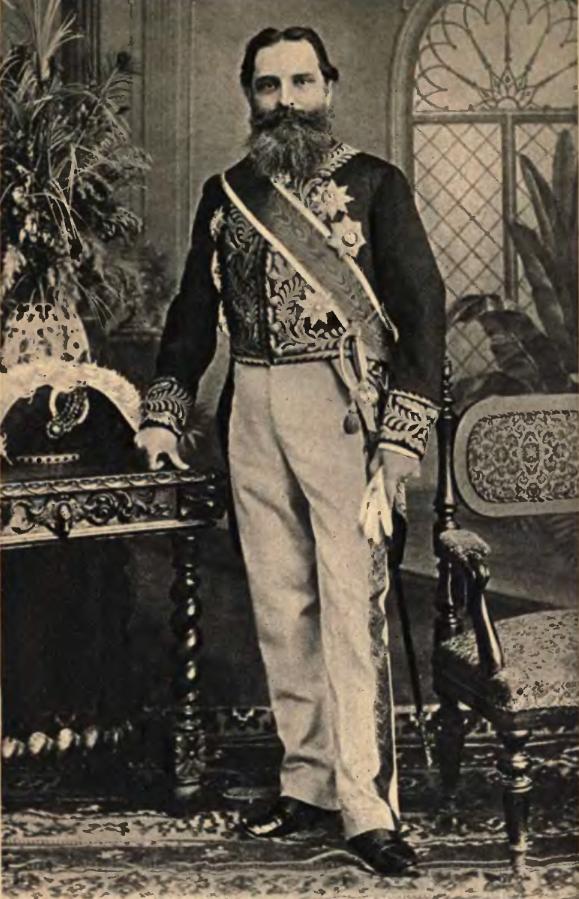
Čedomilj Mijatović, one of the most gifted Serbian diplomats and one of the most influential politicians and ministers of foreign affairs of the Principality and Kingdom of Serbia, was a person of a exceptional sensibility and wide-ranging interests. Economist by vocation, the founder of economics in Serbia, and a passioned connoisseur of history and journalism, first permanent Serbian reporter from London and the London Stock Exchange, the hardest working translator from English to Serbian in the 19th century. On three occasions he served as the Minister of Foreign Affairs of Serbia, and was a trusted advisor of King Milan. His political role models included English politicians, such as William Ewart Gladstone and Lord Robert Cecil Salisbury. As a skilled diplomat, popular in the British diplomatic and public circles due to his refinement, gentlemanly demeanour, and excellent command of the English language, he served as Serbian envoy to London on three occasions (1884-86; 1895-1900; 1902-1903). Following the May Coup of 1903, he remained in London until his death in 1932, constantly advocating for Serbian interests in Britain.
This is how the portrait of Čedomilj Mijatović, a man whose endeavours and engagement connected Serbia and the United Kingdom, is painted by Professor Aleksandar Rastović, PhD, scientific advisor and director of the Institute of History in Belgrade. As a topmost expert of diplomatic and political relations between Serbia and the United Kingdom, he highlights that this Renaissance personality of Serbian politics, diplomacy, economics, and culture, together with his wife, Elodie Lawton Mijatović, occupies an indispensable place in the study of British-Serbian relations in the second half of the 19th century, particularly in the domain of culture. Any discussion about Mijatović is bound to take us into a wider context of Serbian-British relations in the present and the past. There is hardly anyone who connected Belgrade and London, Serbia and England, Serbian and British crowns, better than this ‘last Victorian’.
Who Was Čedomilj Mijatović?
‘Mijatović was known for quickly making new acquaintances and friendships in British political and social circles. He had an excellent understanding of the Victorian society, spoke perfect English, had refined manners, all of which impressed the members of their intellectual and political elites. He was also known for being a major Anglophile and was highly appreciated by the English. He translated numerous important books from the English language’, Rastović adds and highlights the important humanitarian and educational missions of his wife Elodie Lawton.
‘Through her many connections with different circles of the English society and texts published in the English press, she significantly popularised the Serbian people in England. She played a particularly important role in organising charity events during the Serbian-Ottoman wars in 1876-78, when she raised significant material and financial assistance for the Serbian army and gave her moral support to the Serbian freedom fighters. However, her biggest contribution was in the sphere of translation. Her most significant historical book was The History of Modern Serbia, published in London in 1872, with the goal of acquainting the English public with the specific character and life of the Serbian people and the creation of the Serbian state. This important piece of historiography was unjustly neglected, even forgotten in Serbian historiography,’ Rastović adds.
Our interlocutor highlights enormous Mijatović’s contributions to spreading the truth about Serbia and the Serbian people in the British public sphere in the late 19th and early 20th centuries. Even though excluded from the Serbian society following the 1903 May Coup as a major supporter of the Obrenović dynasty, he continued working tirelessly until his death to popularise the Serbian agenda in the British public. This was especially obvious during the Great War when he published many articles in prestigious British papers in which he explained the war goals of Serbia and informed the British public about the tragic consequences of the war and destruction. He also wrote about the disastrous effects of epidemics and diseases in Serbia and called for the English to collect aid in food and medicine for the suffering Serbian population’, Professor Rastović adds.
Our interlocutor noticed the importance of the Mijatović-Lawton couple by studying a wider frame of Serbian-British relations, which had not been thoroughly explored in earlier Serbian historiography. In preparation for academic research for his MA thesis and then his PhD with professors and colleagues (academicians Mihailo Vojvodić, Čedomir Popov, Slavenko Terzić), there was a need to delve deeper into the political, economic, and cultural relations between the Principality and Kingdom of Serbia and the United Kingdom of Great Britain and Northern Ireland in the 19th and 20th centuries. This was an ambitious project which entailed years of extensive research of diplomatic and other archival materials, studying numerous foreign sources and the domestic bibliographic sources on Serbian-British relations in the past.
The full article ‘Heroines of Serbian Sport,’ as well as numerous topics from the fields of diplomacy, culture, and Serbia’s rich historical heritage, can be found in the Dipos Magazine.









 2018
2018