
OUR BLOG
The Gallery of Matica Srpska: A Beehive of Serbian Cultural Heritage
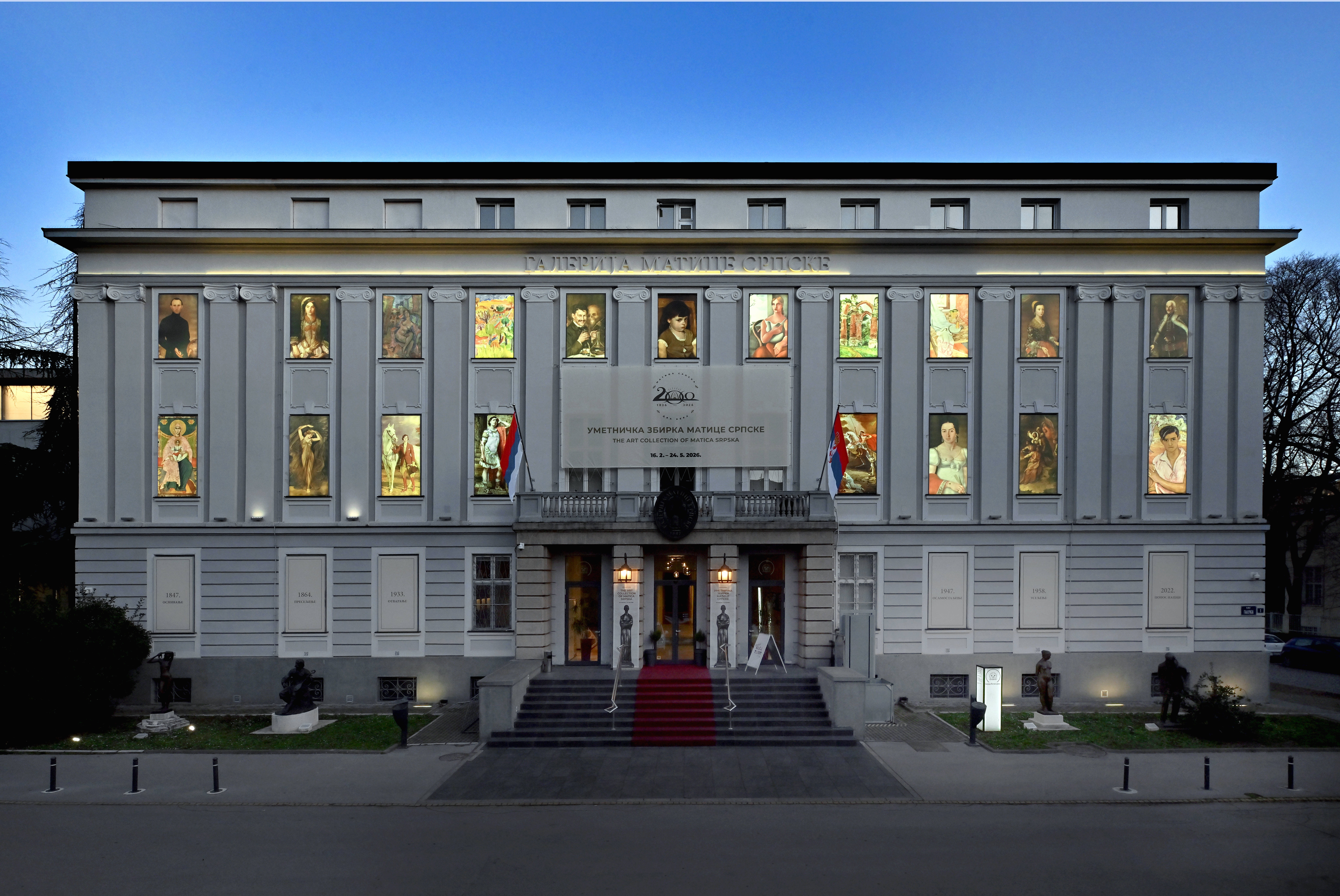
The coat of arms of the Gallery of Matica Srpska speaks volumes about its nature, spirit, and mission. It was designed based on the first, authentic signet ring of the Matica Srpska, which today adorns the façade of this institution’s building – a beehive between two trees from which bees fly out, symbolising a place where the ‘nectar of Serbian cultural heritage is collected’. Underneath the emblem there is a door that leads to the artistic treasury of the oldest Serbian literary, cultural, and scientific organisation, which celebrates its bicentenary this year.

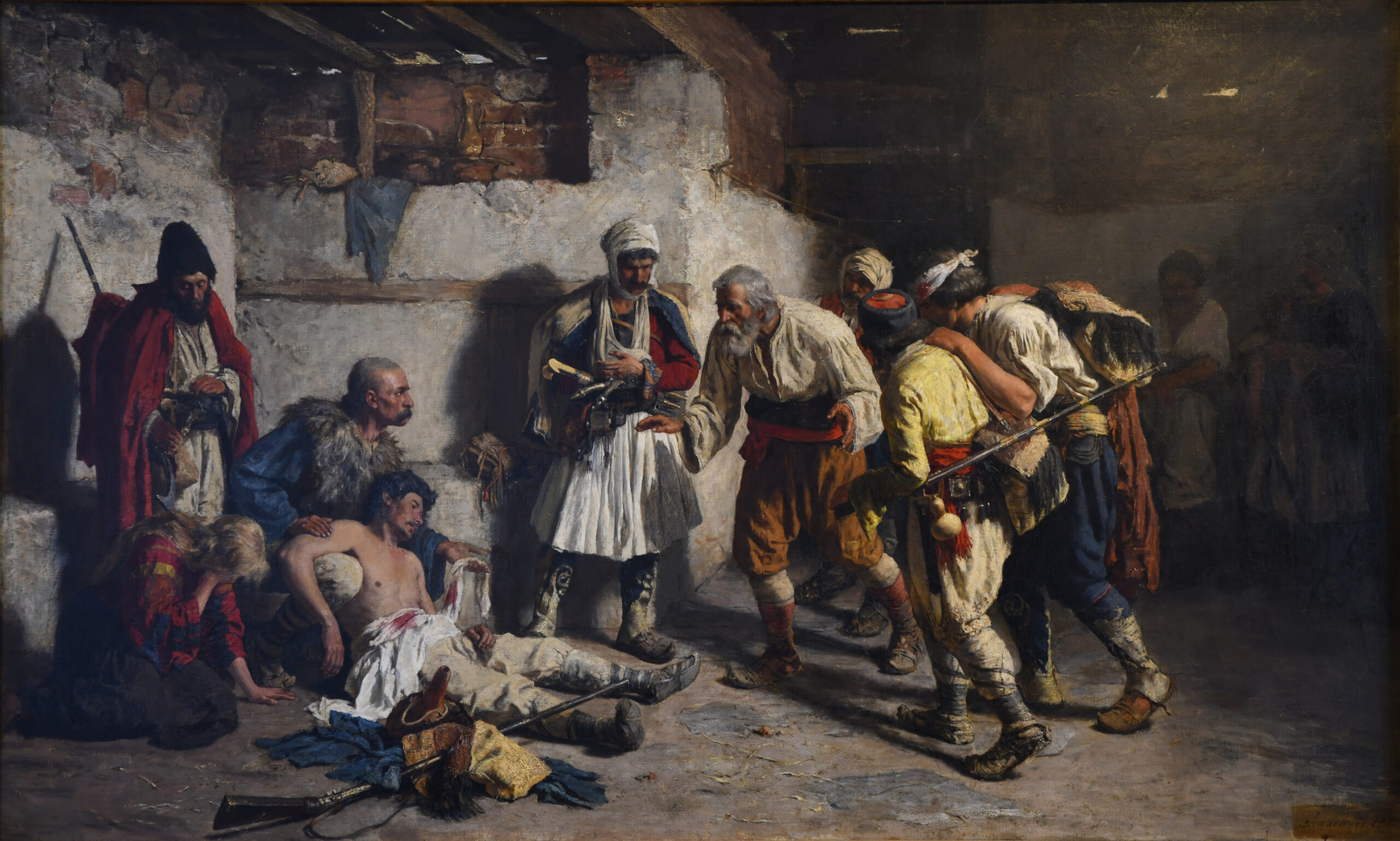
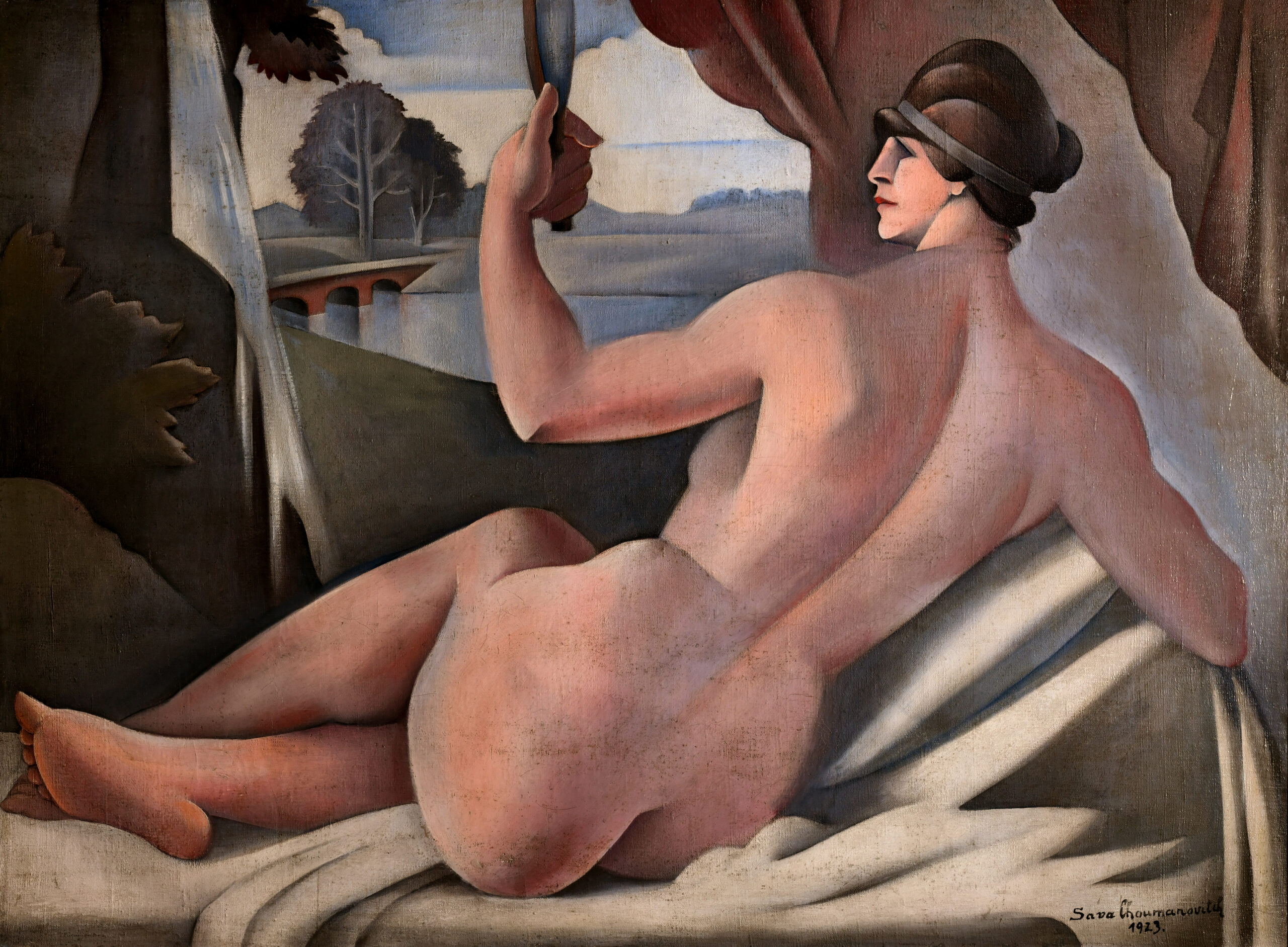
The Gallery originated from the Matica Srpska, whose jubilee will be celebrated with a great exhibition of the art collection of this oldest Serbian institution, together with a set of other programmed events. This is a cultural institution of national importance in every sense of the word, known for the remarkable collection of Serbian art from the late 16th century to the present day. It houses around 12,000 works of art, including masterpieces by Teodor Kračun, Konstantin Danil, Katarina Ivanović, Đura Jakšić, Paja Jovanović, Uroš Predić, Sava Šumanović, and many more. The history of this collection is in fact the history of the Serbian people, art, and culture, and the works it holds are a reliable testimony to the national spirit, ideals and spiritual aspirations of many generations.
As stated in the monograph Pride of the Nation, published on the occasion of the Gallery’s 175th birthday by its director, Tijana Palkovljević Bugarski, PhD, this is a unique national institution that has always proven ‘how much Serbian culture is part of the European horizon’, while also acting as the place of learning about one’s own past. It originated from a private initiative of Serbs, ‘patriots ready to invest their capital in an association that would preserve and nurture the Serbian language and culture’.
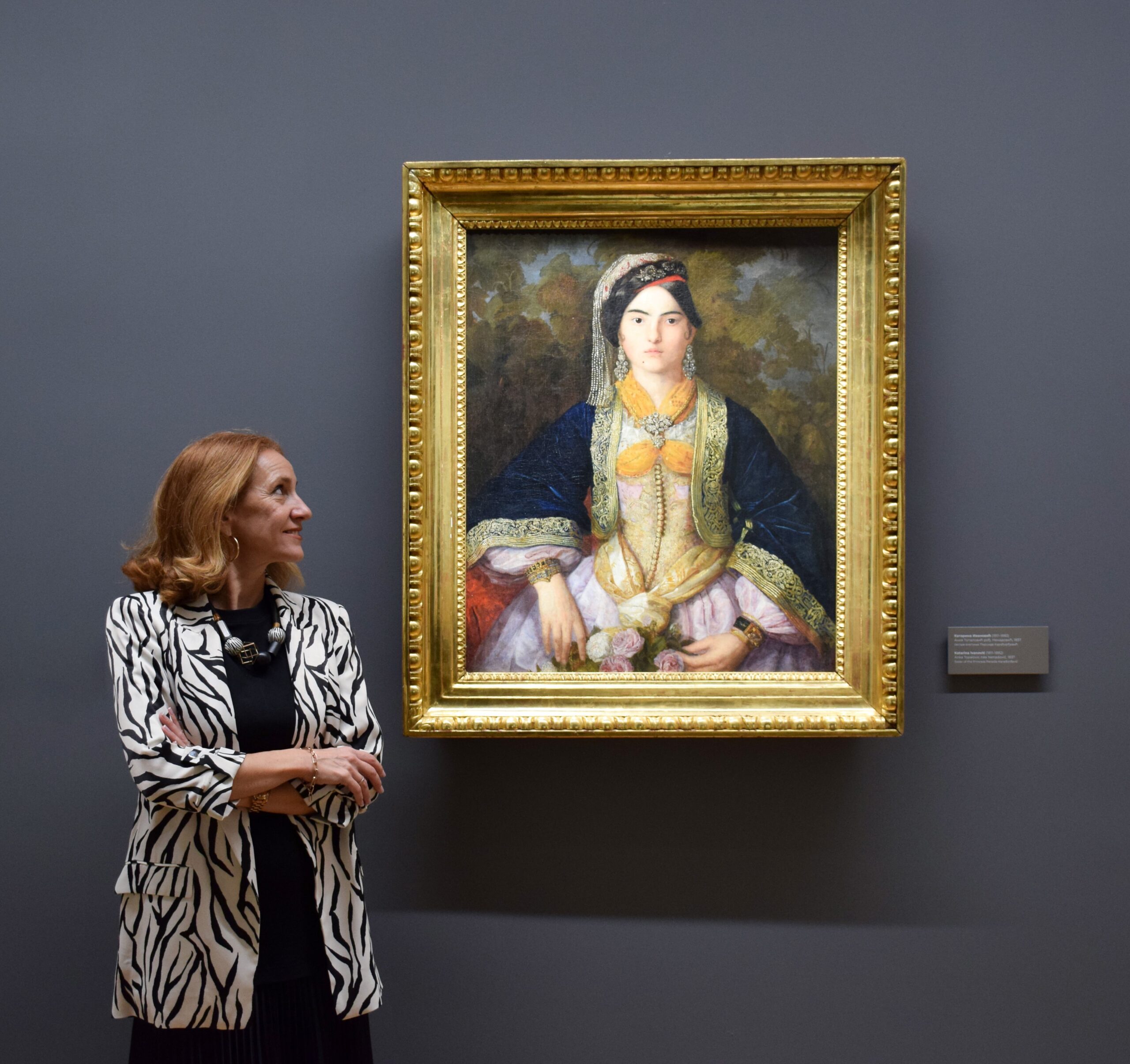
That is why it holds a special place as the only institution of national importance in Serbia that was not founded by the state, but by Matica Srpska. Since its founding in 1847 in Pest, it has undergone a major transformation, and was opened to the public in Novi Sad in 1933 as a museum.
‘The Gallery of Matica Srpska has as special honour and responsibility as it originated from one of the most important cultural institutions of the Serbian people. During two centuries of its existence, Matica Srpska has shown a remarkable ability to find its way at all times, to adapt to social changes, while staying true to its fundamental goals – cultivating the highest achievements of Serbian culture, science, and literature. It is due to this strength and continuity that the Matica Srpska is still one of the key pillars of our cultural identity, while the Gallery preserves, interprets, and presents to the public its art collection, the precious heritage that was created thanks to generations of artists, benefactors, and cultural workers’, says Tijana Palkovljević Bugarski, who recently celebrated a jubilee of her own – 25 years of work in this important cultural institution.
The importance of the Gallery of Matica Srpska is also confirmed by the visits from many reputable guests and statespeople. The former president of Yugoslavia, Josip Broz Tito, visited the exhibition Modern Visual Artists of Vojvodina with his wife Jovanka in 1969. The Serbian Patriarch Pavle visited the Gallery in 1990 on the occasion of an exhibition marking 800 years of Hilandar Monastery. The Gallery of Matica Srpska was visited in 2016 by the royal couple, King Charles III and his consort, Camilla. Another important visitor was the President of France, Emmanuel Macron, who got acquainted with the most valuable works in the permanent exhibition in 2024, accompanied by the President of Serbia, Aleksandar Vučić.
Please find the full article in our DIPOS Magazine.









 2018
2018